



 Meat & Chicken
  Cut Vegetables
  Ready To Cook
  Cut Fruits
  Combo
Combo  Fresh Mill Powder
  Pickles
  Fruits
  Vegetables



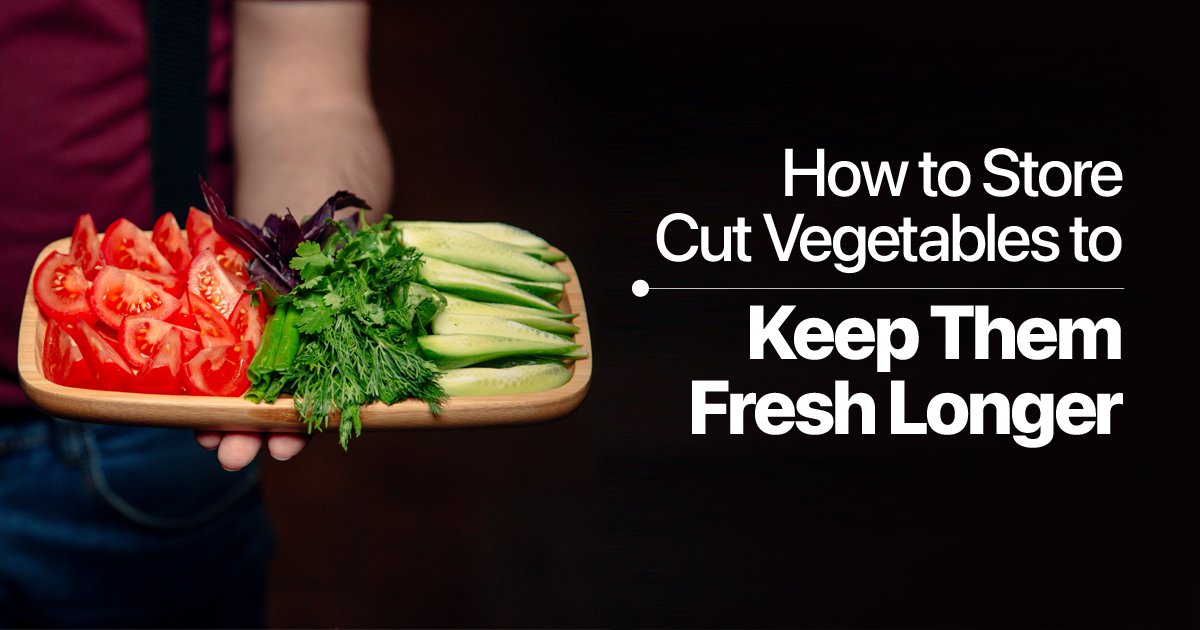
You chopped a full onion but only used half. Now what?
Most people wrap it loosely and toss it in the fridge — only to find it limp and smelly two days later. Storing cut vegetables incorrectly is one of the biggest causes of food waste in Indian kitchens.
The good news? A few simple storage habits can make your pre-cut veggies last 3 to 5 days longer.
Why proper storage of cut vegetables matters
Once vegetables are cut, they are exposed to air, moisture, and bacteria. This speeds up oxidation and spoilage. Proper storage:
- Reduces food waste and saves money on groceries
- Keeps nutrients intact for longer
- Makes cooking faster on busy weekdays
- Prevents unpleasant odours in your refrigerator
The best ways to store cut vegetables at home
1. Use airtight containers
Oxygen is the enemy of fresh produce. Always store cut vegetables in airtight glass or BPA-free plastic containers. Avoid leaving them in open bowls or wrapped loosely in foil.
Pat vegetables dry before storing. Excess moisture speeds up rot.
2. Keep the fridge temperature right
Your refrigerator should be set between 1°C and 4°C for vegetables. Too warm and bacteria grows faster. Too cold and some veggies like capsicum and beans may turn watery.
3. Separate strong-smelling vegetables
Onions, garlic, and leeks release sulfur compounds that affect nearby vegetables. Store them in separate sealed containers to prevent the odour from spreading.
4. Add a paper towel to the container
Place a dry paper towel at the bottom of the container. It absorbs extra moisture and keeps cut vegetables crisp for longer. This works especially well for carrots, cucumber, and leafy greens.
5. Use cold water for root vegetables
Certain root vegetables like carrots and radishes stay crisp when submerged in cold water in the fridge. Change the water every day to keep them fresh.
6. Store cut tomatoes separately
Tomatoes are best stored at room temperature. But if you have cut tomatoes, refrigerate them in a sealed container with the cut side facing down on a paper towel.
Common storage mistakes to avoid
- Storing wet vegetables without drying them first
- Using containers that are too large (excess air accelerates spoilage)
- Mixing ethylene-releasing produce like tomatoes with other veggies
- Ignoring early signs of spoilage — if it smells off, discard it
- Storing onions and garlic together with other cut vegetables
Frequently asked questions
- Share this:

-